Here’s something most builders won’t hear until they’ve already learned it the hard way: the majority of your site problems were not created on site. They were created in pre-construction. Or more accurately, in the absence of a pre-construction process.
80 to 90% of the issues that cost you time, money, and margin on a project — the variations, the scope disputes, the budget blowouts, the client complaints — trace back to decisions that were made (or not made) before the shovel hit the ground.
This is the single most under-invested part of most building businesses. And it’s where the most money is made or lost.
What Pre-Construction Actually Means
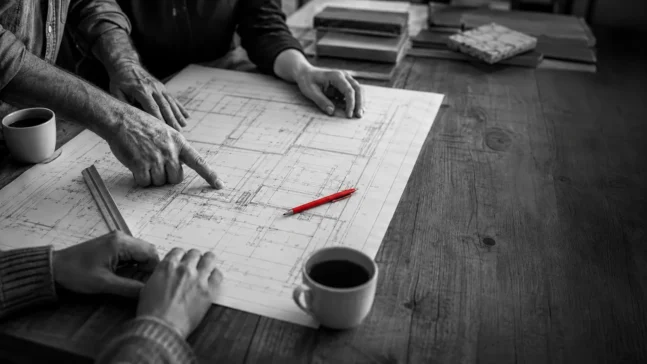
Pre-construction is everything that happens between winning the client and starting on site. Design review. Scope definition. Cost planning. Client selection sign-off. Trade agreements. Programme development. Risk identification. Procurement of long-lead items.
In most building businesses, this phase is rushed, informal, or barely exists at all. The builder wins the job, does a rough scope, orders materials, and gets on site as fast as possible. The thinking is: the sooner we start, the sooner we finish, the sooner we get paid.
But that speed costs more than it saves. Every scope gap you miss in pre-construction becomes a variation on site. Every cost you didn’t pin down becomes a margin leak. Every client expectation you didn’t clarify becomes a dispute.
Slow is smooth. Smooth is fast.
What Goes Wrong Without a Proper Process
Scope gaps. The contract says one thing, the client expects another, and neither the drawings nor the specification were detailed enough to resolve it. This is where 90% of variations come from — not from clients being difficult, but from the scope not being locked down properly before the build started.
Pricing errors. When pre-construction is rushed, estimating is rushed. Items get missed. Quantities are guessed. Contingencies aren’t built in. The quote looks competitive… right up until the job starts costing more than you quoted for.
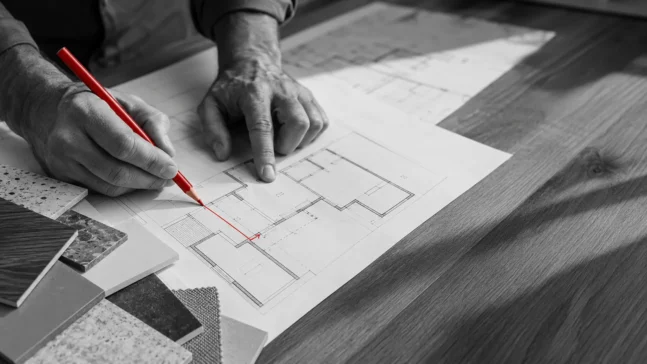
Client expectation mismatch. The client chose their finishes from a magazine. Nobody costed them. Nobody confirmed selections. The allowances in the contract are half of what those selections actually cost. Now you’re either wearing the difference or having an uncomfortable conversation — neither of which should have been necessary.
Programme and scheduling chaos. Without a proper critical path developed in pre-construction, the build schedule is reactive instead of planned. Trades turn up when they’re available, not when they’re needed. Long-lead items aren’t ordered early enough. And every delay compounds the next one.
What Professional Builders Do Differently
The builders I’ve coached into the 7 Figure Club all have one thing in common: they take pre-construction seriously. They invest time and resources in it. They have a repeatable process for it. And they won’t start on site until it’s done properly.
That means every client selection is signed off before contracts are executed. The scope is detailed, specific, and unambiguous. The estimate is based on actual quantities and current supplier pricing, not gut feel from the last job. Trade agreements are in place. The programme is mapped out. Risks have been identified and priced for.
When you do this properly, the build itself becomes the easy part. No surprises. No budget shocks. No messy variations. The margin you quoted is the margin you keep.
Your systems set you free. And a proper pre-construction system is the one that protects everything else.
The Practical Shift
You don’t need to add months to your pre-construction timeline. You need to add rigour. A structured checklist. A sign-off process for selections. A detailed estimating review. A scope document the client actually reads and approves. A risk register that identifies what could go wrong and prices for it.
Most of this can be systematised. Once you’ve built the process, it runs the same way on every job. Your team knows what to do. Your clients know what to expect. And you know that when you get to site, the foundations — financial and otherwise — are solid.
If you want to build a pre-construction process that protects your margins and eliminates the chaos — let’s talk about it. This is where most of the money in your business is being made or lost, and most builders don’t even know it.
Kurt Hegetschweiler is the founder of Builders Coach and author of the internationally best-selling Million Dollar Builder 2.0. He has coached thousands of residential builders since 2004.