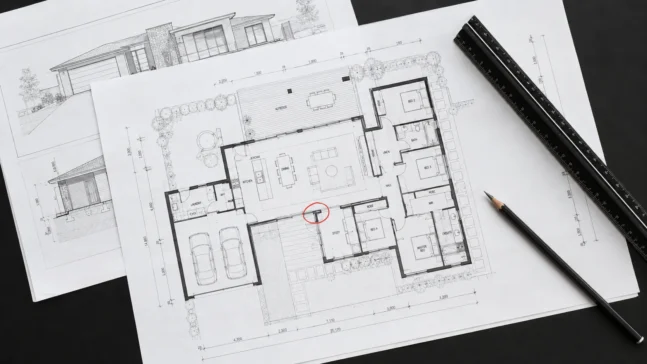
A builder I coach spent most of a week preparing a quote. He visited the site, met the client and worked through the numbers. Then he presented the price and the client decided not to proceed.
Looking back, he realised he could have uncovered the budget mismatch before doing all that work.
That’s an expensive way to find out whether a job has legs.
It’s also time he could have spent looking after current clients, progressing a better opportunity or getting home earlier.
If this sounds familiar, look at what happens before you agree to quote.
Start with the questionnaire
When an enquiry comes in, send a questionnaire and ask for any plans or relevant photos before booking a site visit.
Find out what they want to build, what stage they’re at, what they expect to spend and when they want to start.
Then read their answers before you ring them.
It sounds obvious, but that preparation changes the conversation. You can spend your time exploring the gaps instead of asking questions they’ve already answered.
Run a proper audition call
The call is your opportunity to understand the client, assess the project and decide whether you’re the right builder to help them.
What are they trying to achieve? What matters most to them? How did they arrive at their budget? Have they had any advice about what the project is likely to cost?
You’re also finding out how they want to work with a builder. Are they open to guidance? Are they choosing purely on price? Do their expectations fit the way you operate?
Give this conversation enough time to be useful. It’s worth slowing down here if it saves you days of work later.
You don’t need to take every enquiry through to a site visit. Some will be a good fit. Some will need more information. Others will be better served by another builder.
Check the budget before detailed quoting
Once you understand enough about the project, prepare a Quick Building Estimate.
This is an indicative cost range based on the information available, your experience and clearly stated assumptions. Explain what’s included, what’s uncertain and what still needs to be worked through.
The purpose is to establish whether what they want to build is broadly aligned with what they’re prepared to spend.
Find that out before you invest days in a detailed quote.
And if the numbers don’t line up, have the conversation.
A client with an unrealistic budget may still be a good client. They may simply have no idea what building costs or which parts of their design are driving the price.
That gives you an opportunity to help.
Can the scope change? Could a different design approach achieve what matters most to them? Is there a Value Management process worth exploring?
If there’s a workable way forward, explain it. If there isn’t, be honest about that too.
Give them the right next step
Once you understand the client, the project and the budget, you can recommend a sensible next step.
That might be a site visit followed by a paid preliminary agreement covering the work needed to progress the project. Depending on where they’re at, that could involve design input, Value Management, documentation or detailed costing.
Explain what you’ll do, what they’ll receive and what it will cost.
There’s real value in helping a client make sense of the process. Many are overwhelmed. They want someone who can explain their options, flag the problems early and help them make good decisions.
That’s where you start demonstrating why they should work with you.
Put the process in place
Pull up your last three quotes.
How much time did you spend on each one? When did you first discuss the budget properly? What could you have found out earlier?
Then look at your next enquiry.
Send the questionnaire. Read the answers. Have a proper audition call. Check the likely cost before committing to detailed quoting.
Your time has a cost, even when you don’t send an invoice.
Make sure there’s a worthwhile opportunity before you invest a week in it.
If you want a front end that tells you which jobs are worth your time before you quote them, book a free strategy session. This is exactly what we work on with builders every single day.
Kurt Hegetschweiler is the founder of Builders Coach and author of the internationally best-selling Million Dollar Builder. He has coached hundreds of residential builders since 2004.